EV Battery Pack Design & Validation
Battery pack design, simulation, and thermal validation for electric two-wheelers
Overview
While working as a lead of battery team, I designed, validated, prototypted and tested a ~1.8 kWh lithium-ion battery pack for electric mobility applications as an early engineer at an EV startup, Ebolt Mobility. The project emphasized mechanical design, thermal management, and simulation-driven decision making for reliable operation in hot ambient conditions. The battery system was developed as a single modular unit, iterated through simulation and prototype cycles.
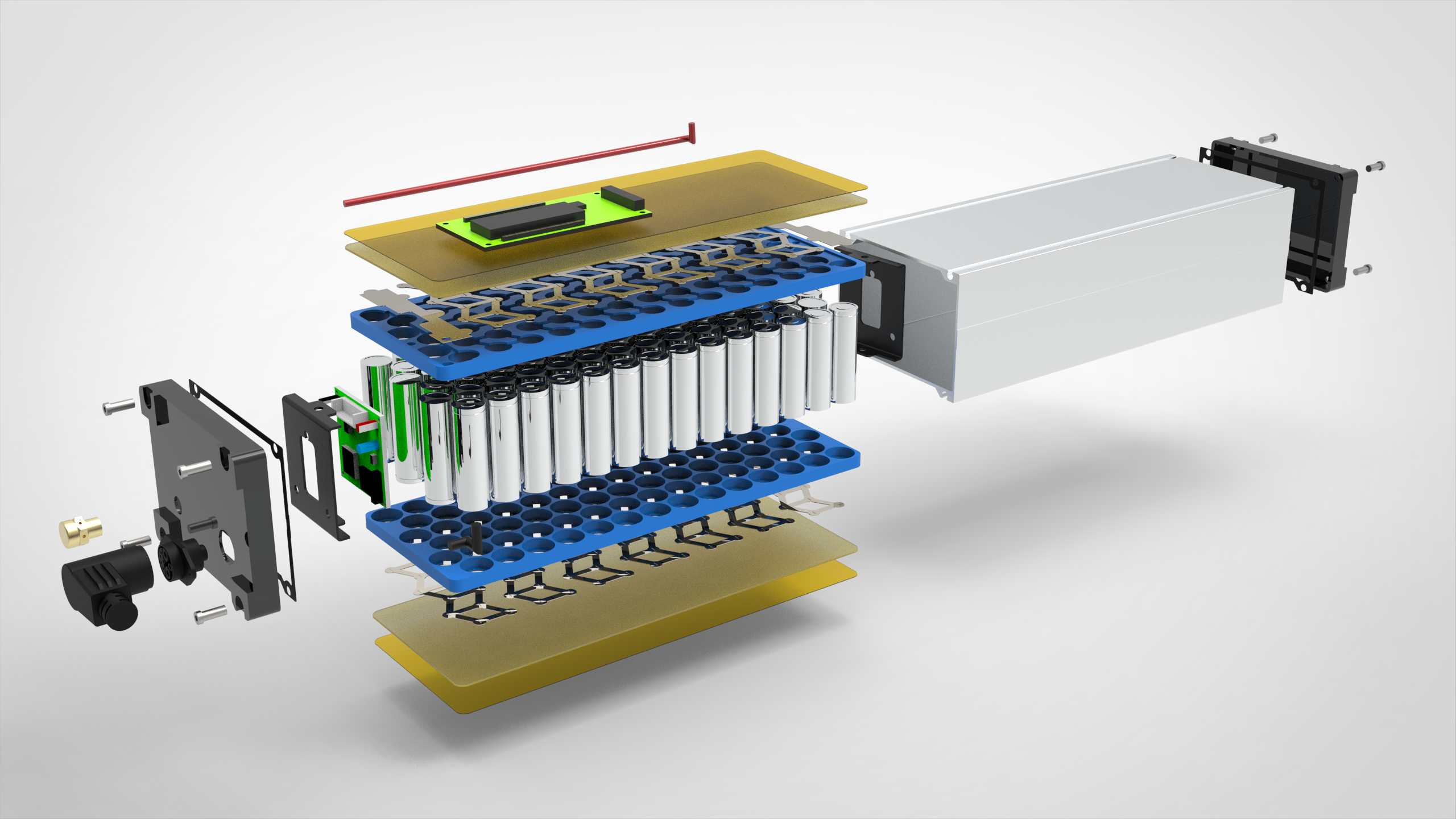
Pack Configuration & Key Specifications
The battery pack was designed to meet vehicle-level energy and power requirements while remaining manufacturable and serviceable.
- Energy Capacity: ~1.8 kWh
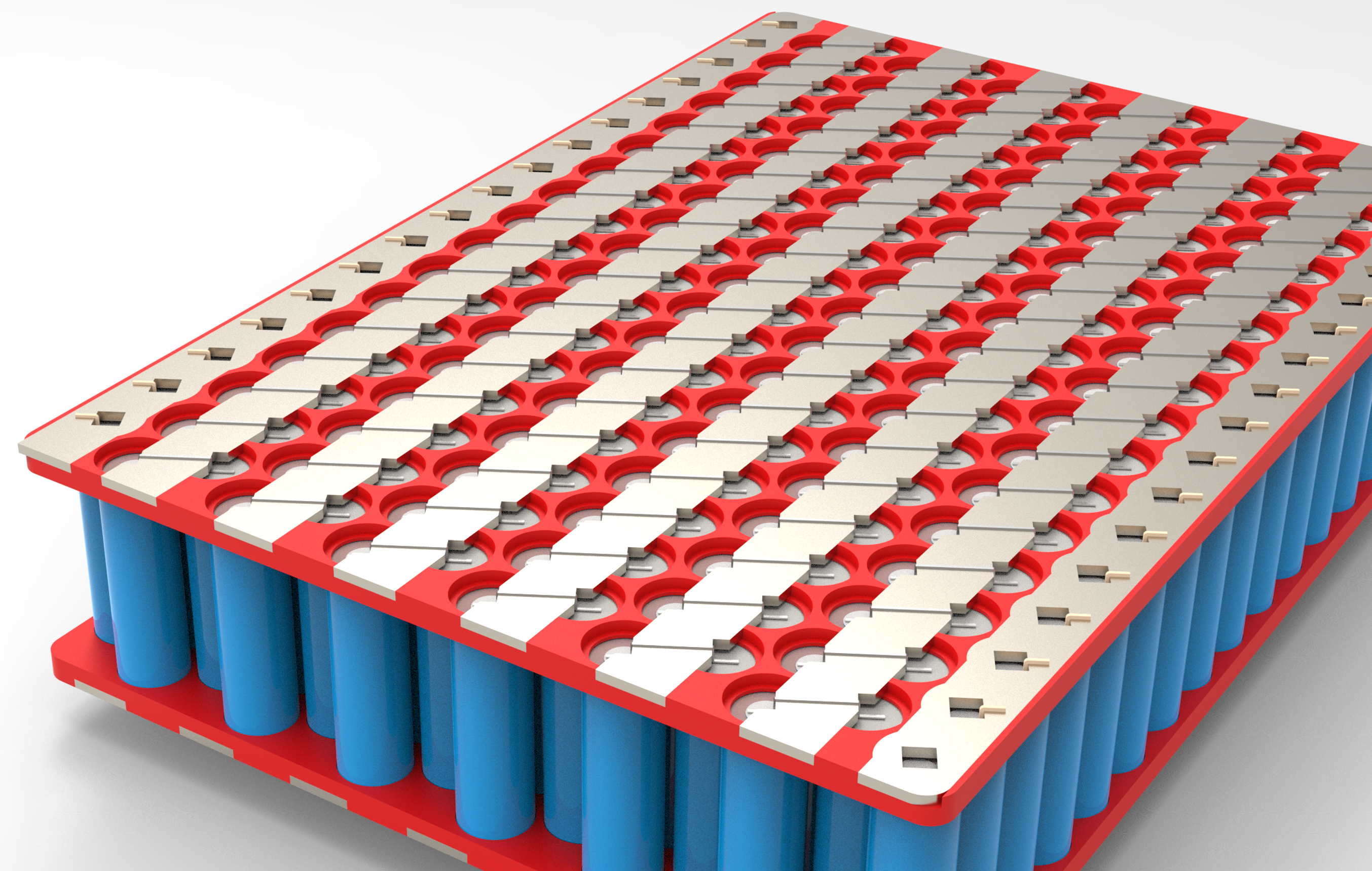
- Configuration: 14S6P lithium-ion pack
- Nominal Voltage: ~50 V
- Continuous / Peak Discharge: ~30 A / up to ~90 A
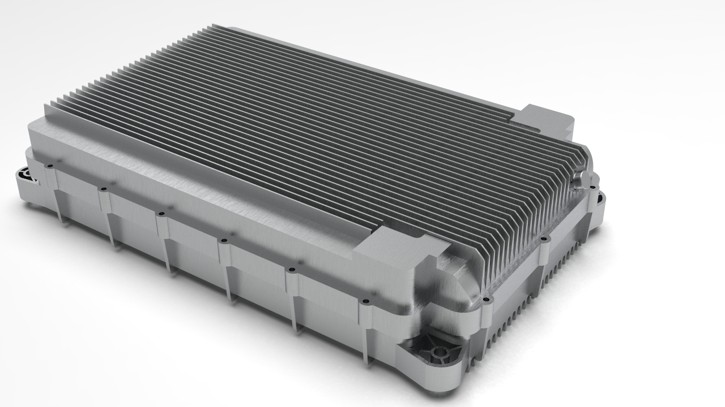
- Form Factor: Single modular aluminum enclosure
These parameters guided decisions related to bus-bar sizing, airflow design, and enclosure stiffness.
Mechanical & Electrical Architecture
The internal architecture was driven by packaging constraints, airflow paths, and structural strength, rather than purely electrical considerations.
- Aluminum enclosure designed for vehicle mounting and environmental sealing
- Parallel-grouped cell layout promoting uniform heat distribution.
- Nickel strip bus bars optimized for current sharing and weld reliability
- Fine tuned inter-cell spacing to balance thermal dissipation and volumetric efficiency
Thermal Management Design
Thermal performance was a primary design driver due to high ambient temperatures at Terai belt of Nepal and sustained discharge operation in hilly terrain of Nepal.
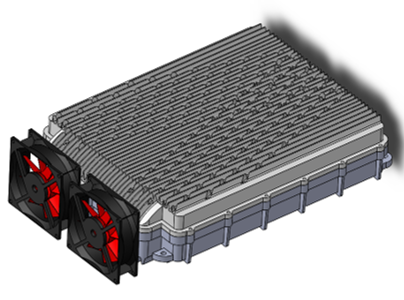
- Integrated forced-air cooling strategy channeled from vehicle chassis.
- Evaluated airflow paths and inlet velocity effects on temperature rise.
- Investigated immersion cooling at a concept and feasibility level.
Design decisions were supported by quantitative thermal analysis.
Simulation-Driven Design & Validation (ANSYS)
Extensive multi-physics simulations were conducted to guide design iteration and reduce physical prototyping cycles.The cell-level models were developed using HTTP test, and pack level model was built in ANSYS Fluent as a reduced order model.
- Thermal CFD:
- Effect of inter-cell spacing on peak temperature
- Airflow velocity vs temperature rise and cooling saturation
- Influence of thermal interface materials on maximum cell temperature
- Electro-Thermal Analysis:
- Bus-bar current density and Joule heating under continuous load
- Identification and mitigation of localized terminal heating
- Structural Analysis:
- Drop-test (handling abuse) simulations
- Stress concentration assessment of enclosure and end plates
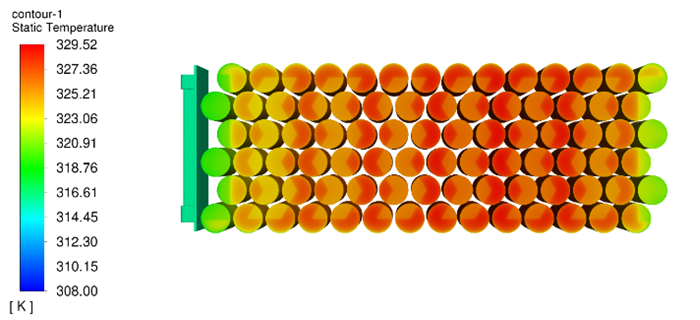
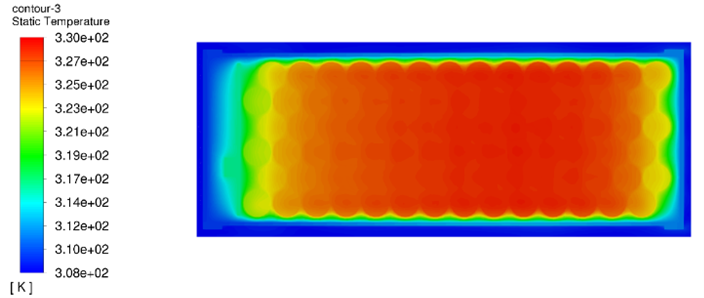
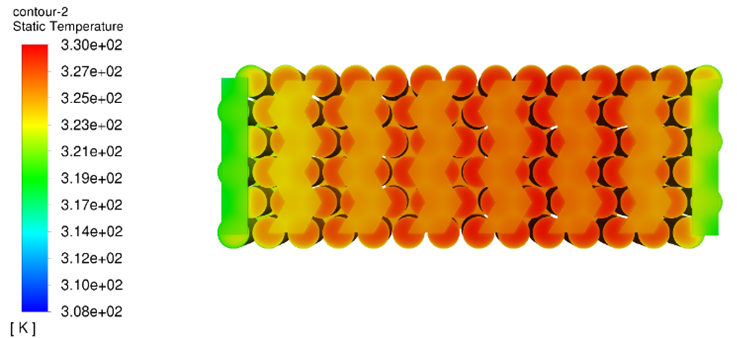
Simulation results directly informed geometry refinement, material selection, and internal layout.
Prototypes & Iteration
Final modular design was reached through multiple prototype cycles, and space constraints. Initial version informed later versions in terms of assembly ease and thermal performance.
Safety & System Integration
- Integrated BMS-based electrical protection and temperature sensing
- Enclosure designed for IP 67 -rated environmental protection
- Mechanical protection like pressure relief valves for safety during thermal events
Outcome & Impact
Delivered a simulation-validated battery pack design with improved thermal temperature achieving 52 degree C at 80% duty cycle of continuous operation in 38 degree C ambient. The prototype was successfully tested with powertrain integration.
Tools & Skills
ANSYS (Thermal CFD, Structural, Electro-Thermal) · Battery pack mechanical design · Thermal validation · EV systems engineering